
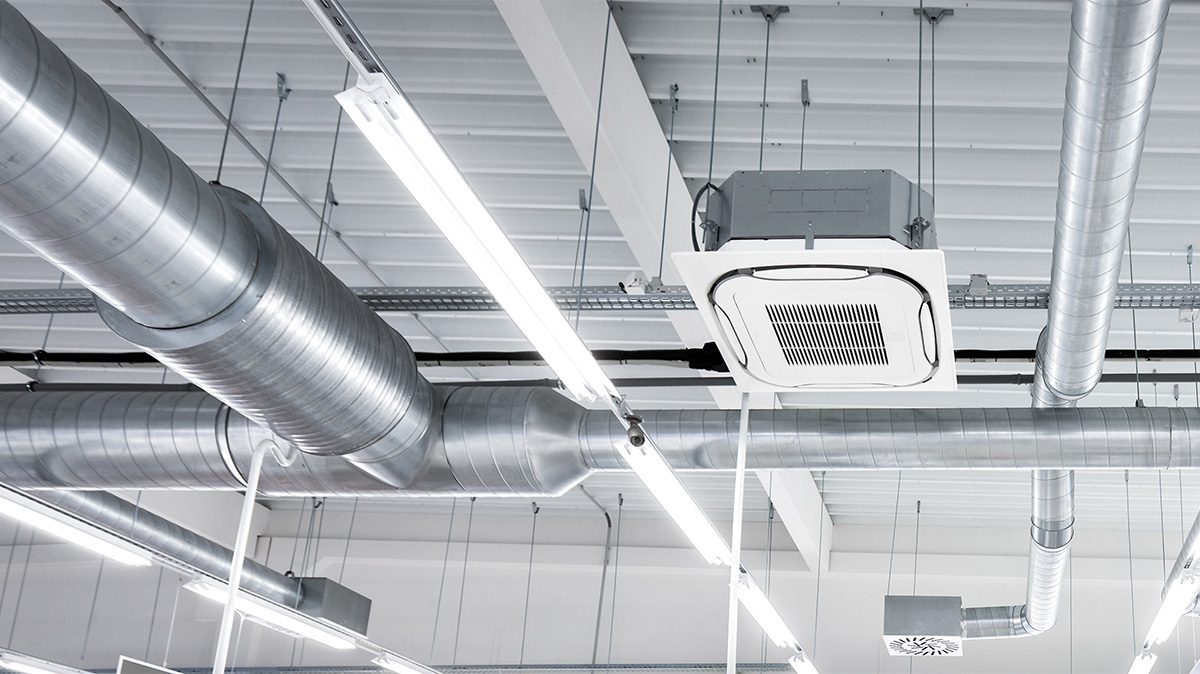
Smart Technology Integration in HVAC Infrastructure
The integration of smart technology into HVAC infrastructure represents a significant advancement in the way heating, ventilation, and air conditioning systems operate. Traditional HVAC systems often rely on preset schedules or manual adjustments to regulate indoor climate, which can lead to inefficiencies and increased energy consumption. Smart technology transforms these systems by incorporating sensors, automation, and connectivity that enable real-time monitoring and adaptive control. This shift not only improves comfort but also promotes sustainability by optimizing energy use.
Smart HVAC systems utilize various sensors to collect data on temperature, humidity, occupancy, and air quality throughout a building. These inputs allow the system to adjust its operation dynamically based on current conditions rather than fixed parameters. For example, if occupancy sensors detect an empty room, dive deeper into the topic here system can reduce airflow or temperature conditioning in that area to conserve energy without sacrificing comfort elsewhere. Similarly, outdoor weather data integrated through internet connectivity helps anticipate changes in environmental conditions so the system can prepare accordingly.
Automation plays a crucial role in smart HVAC integration by enabling seamless interaction between different components such as thermostats, vents, fans, and compressors. Advanced algorithms analyze sensor data continuously to make precise adjustments aimed at maintaining optimal indoor environments efficiently. This approach reduces unnecessary cycling of equipment while ensuring rapid response when conditions fluctuate unexpectedly.
Connectivity is another key feature that enhances functionality and user experience within smart HVAC infrastructures. Internet-enabled devices allow remote access via smartphones or computers for monitoring performance or modifying settings from anywhere at any time. Facility managers benefit from centralized dashboards displaying comprehensive metrics like energy usage trends or maintenance alerts across multiple sites simultaneously. Such visibility facilitates proactive management strategies that minimize downtime and extend equipment lifespan.
Energy efficiency gains achieved through smart technology contribute significantly toward cost savings over time while supporting environmental goals by lowering greenhouse gas emissions associated with excessive power consumption. Additionally, improved air quality management aligns with health standards by adjusting ventilation rates based on pollutant levels detected indoors.
Despite these advantages, successful implementation requires careful planning regarding compatibility with existing equipment and cybersecurity measures to protect connected networks from unauthorized access or data breaches. Ongoing software updates are essential for maintaining optimal performance as new features become available.
In summary, integrating smart technology into HVAC infrastructure revolutionizes traditional climate control methods by introducing intelligent automation driven by real-time data analysis and remote accessibility. This evolution enhances occupant comfort while promoting efficient resource use and operational reliability across residential commercial properties alike.