
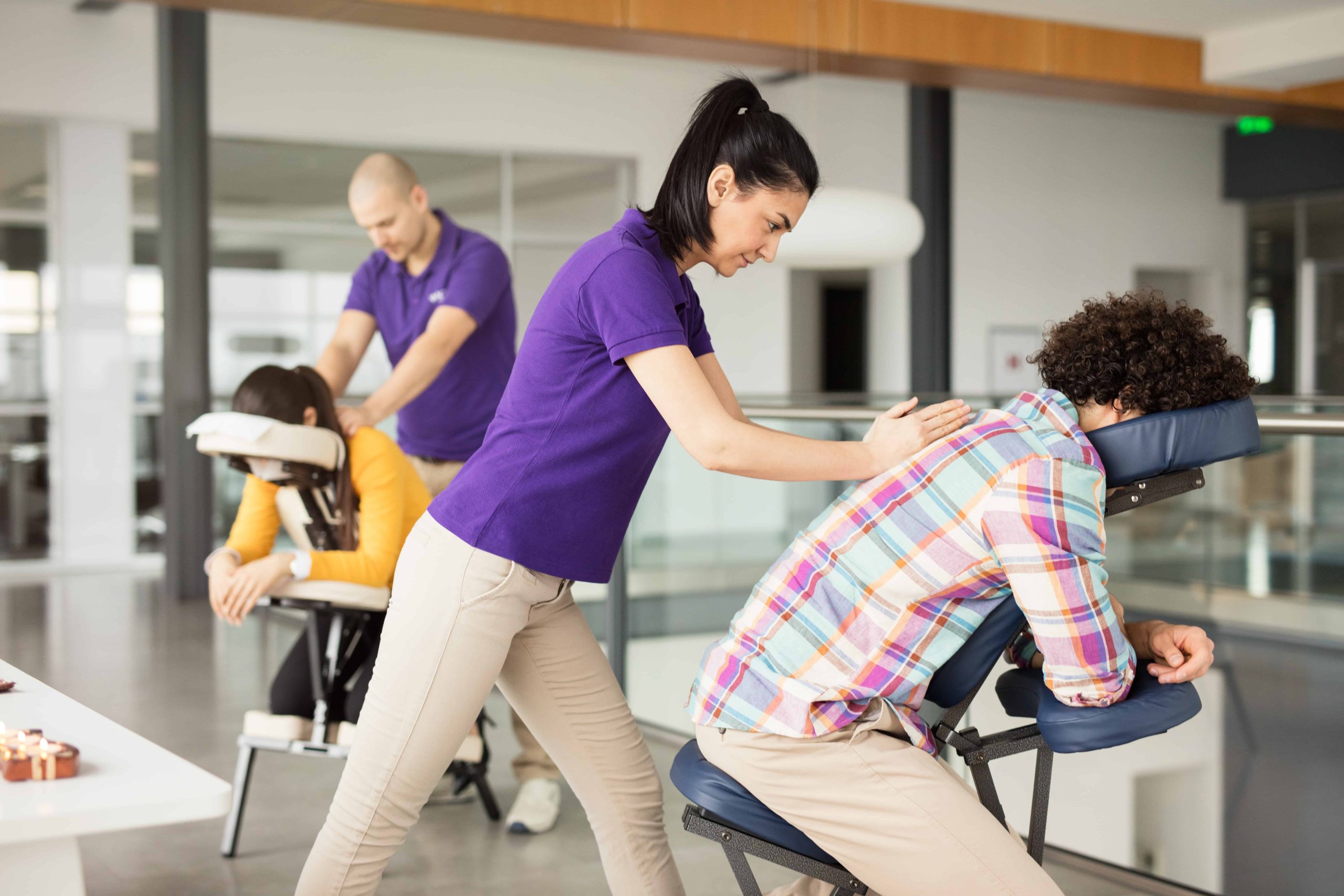
Can Massage Chairs Help With Muscle Warm-Up?
The use of massage chairs has become increasingly popular in recent years, not only for relaxation but also for potential therapeutic benefits. One question that often arises is whether massage chairs can effectively aid in muscle warm-up before physical activity. Understanding how muscles prepare for exercise and the role of massage chairs can help clarify their usefulness in this context.
Muscle warm-up is a crucial step before engaging in any form of physical exertion. It involves gradually increasing muscle temperature and blood flow to enhance flexibility, reduce stiffness, and minimize the risk of injury. Traditional warm-up methods include light aerobic exercises such as jogging or dynamic stretching, which actively stimulate the muscles and cardiovascular system. These activities help prepare the body by increasing heart rate and promoting oxygen delivery to muscle tissues.
Massage chairs primarily work by applying mechanical pressure through rollers and airbags to various parts of the body. This action mimics some techniques used in manual massages like kneading, tapping, or rolling. The stimulation provided by a massage chair reviews can promote relaxation, improve circulation, and reduce muscle tension-factors beneficial for recovery after exercise or general stress relief.
When it comes to warming up muscles prior to activity, massage chairs may offer some advantages but are unlikely to replace traditional dynamic warm-ups entirely. The gentle manipulation from a massage chair increases local blood flow, which could theoretically raise muscle temperature slightly. Additionally, reducing tightness through massaging might improve range of motion temporarily.
However, unlike active movements during conventional warm-ups that engage multiple muscle groups simultaneously while elevating overall cardiovascular function, passive massage lacks this systemic activation component essential for optimal preparation before strenuous activity. Warming up effectively requires more than just localized circulation improvement; it demands engagement at both muscular and neurological levels.
That said, incorporating short sessions with a massage chair as part of pre-exercise routines might benefit individuals who experience significant stiffness or soreness beforehand. For example, those recovering from minor strains or people with sedentary lifestyles might find that using a massage chair helps them feel looser prior to starting their workout regimen.
In conclusion, while massage chairs can contribute positively by enhancing blood flow and relaxing muscles slightly before exercise, they should be viewed as complementary tools rather than primary methods for warming up muscles. Active movement-based warm-ups remain indispensable due to their comprehensive physiological effects necessary for safe and effective performance enhancement during physical activities.